


A breast cancer diagnosis is a lot to take in. We want you to know that you have time to ask questions, understand your options, and make decisions that shape your health for years to come. You are not alone in this.
Take a moment; you have more time than you think
One of the most important things we want you to know is that most breast cancer diagnoses are not medical emergencies. Most breast cancers grow slowly, so there is usually time to choose the right specialist. That choice matters, because the surgeon who treats you can shape your long-term outcome, not only your recovery from surgery.
Many patients rush to see the first surgeon available. We understand that impulse completely. But breast cancer care has become a highly specialized field, and the surgeon you choose matters, not just for the surgery itself, but for your long-term quality of life.
Why a fellowship-trained breast specialist makes a lasting difference
Fellowship-trained breast surgeons, such as Michele Ley, MD, FACS, are experts in both the surgery and the broader treatment of breast cancer. This means you receive the best combination of surgical skill and medical knowledge in one place. Research consistently links this kind of specialized training to stronger long-term outcomes, including higher rates of breast conservation, fewer repeat operations, and improved survival.
Dr. Ley also performs oncoplastic breast surgery, which is a specialized approach that focuses on achieving the best possible cosmetic outcome while treating the cancer effectively. This includes techniques such as smaller, less visible incisions, nipple-sparing mastectomy, and flat aesthetic closure. These approaches are less commonly offered by surgeons who are not breast specialists, and they can have a lasting impact on your appearance and comfort for years after treatment.
What most patients can expect during their visit
Every diagnosis is different, and Dr. Ley reviews each case individually to determine the most appropriate next steps. That said, here are some reassuring facts that apply to the majority of breast cancers:
- Most breast cancers are highly treatable. When diagnosed and treated, 5-year survival rates are close to 90%. The diagnosis is serious, but it is not a death sentence.
- Chemotherapy is not required for most patients. While some cases do involve chemotherapy, the majority of breast cancer patients are treated without it.
- Mastectomy is not always necessary. Many patients are able to preserve their breast through a procedure called a lumpectomy, which removes only the affected tissue.
- Your case will be personally reviewed by Dr. Ley. Patients are seen according to the nature of their diagnosis, so those who need to be seen sooner will be prioritized.
What happens before your appointment?
In some cases, it is helpful to see a medical oncologist, who is a doctor who specializes in cancer treatment, before meeting with the surgeon. If this applies to you, we will reach out and let you know which oncologist we recommend. This is simply part of making sure your care plan is as complete and coordinated as possible.
We will review the details of your diagnosis and contact you with any specific guidance before your visit. In the meantime, please don’t hesitate to call our office with questions.
We’re here when you’re ready
Dr. Ley and the team at Tucson Breast Health Specialists are here to guide you through every step. You don’t have to navigate this alone, and you don’t have to rush. We will make sure you are seen at the right time, by the right specialist, with the information you need to feel confident in your care. Reach out today to start a conversation.
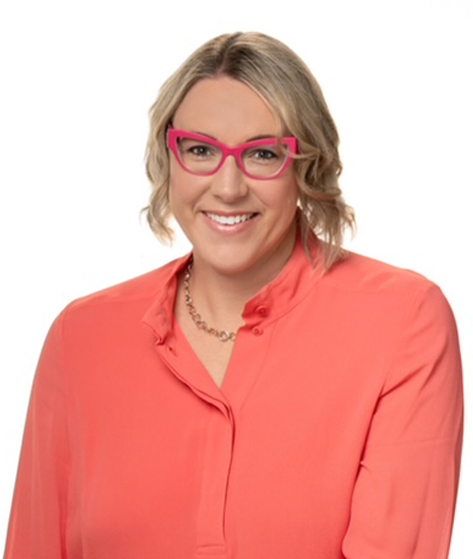
Board-Certified Surgeon
MICHELE LEY, MD, FACS
Dr. Ley, a breast surgical oncologist in Tucson since 2006, delivers compassionate and personalized care to create tailored treatment plans based on the latest research. Specializing in surgical care for breast cancer and high-risk patients, she employs minimally invasive techniques and practices oncoplastic surgery to optimize outcomes.
More About Dr. Ley


“The level of care is excellent.”



ABOUT US
More About Us
OUR BLOG
Read Our BlogCONTACT US
We are dedicated to providing the support you need. Contact us today to learn more about how we can help on your breast health journey.
We are only accepting patients with surgical breast diseases. We do not see patients for breast pain or without imaging in the last three months. If you have been diagnosed with one of the following, please submit the contact form or call our office at (520) 605-2778 to schedule your appointment.
- Breast cancer, DCIS (ductal carcinoma in situ), LCIS (lobular carcinoma in situ), invasive ductal carcinoma, invasive lobular carcinoma, and any other breast malignancies such as sarcoma, and malignant phyllodes
- Patients with known genetic mutations such as BRCA 1, 2, and others
- Fibroadenoma, phyllodes tumor, radial scar, complex sclerosing lesion, papilloma >8mm, atypical papilloma, nipple mass or ulceration,
- Granulomatous mastitis
- Atypical ductal or lobular hyperplasia ( ALH, ADH), and any benign lesion with atypia

