


Losing your eyebrows and eyelashes is one of the most visible changes chemotherapy can bring. Many patients tell us they expected and prepared for scalp hair loss, but waking up to bare brows makes the diagnosis feel unavoidable in the mirror every morning.
Semi-permanent makeup offers a way to restore that definition. Our paramedical tattoo artist, Dawn Morrow, uses cosmetic tattooing techniques to recreate soft, natural-looking eyebrows for patients who have lost hair through chemotherapy, and for anyone whose brows have thinned with age, alopecia, over-plucking, or scarring. As a breast cancer survivor herself, Dawn brings both technical skill and lived understanding to every appointment.
What Is Semi-Permanent Makeup?
Semi-permanent makeup, also called permanent cosmetics or cosmetic tattooing, involves depositing small amounts of pigment into the upper layer of the skin to mimic the look of makeup or of natural hair. The result is not a traditional tattoo. Pigments are formulated to fade gradually rather than remain fixed for life, and the placement is shallower than conventional tattooing, which is why results soften over time and are usually refreshed every one to three years.
For eyebrow restoration, the goal is not a drawn-on line. The goal is a brow that reads as your own: the right shape for your face, the right depth of color for your skin and hair, and enough softness at the edges that no one can tell where the pigment begins.
Eyebrow Restoration After Chemotherapy
Chemotherapy affects hair follicles throughout the body, not just on the scalp. Eyebrow and eyelash loss, known clinically as madarosis, often begins a few weeks into treatment and can be partial or complete depending on the drugs used. Regrowth usually starts within a few months of the final infusion, but it is common for brows to return thinner, patchier, or with a different color and texture than before. For some patients, regrowth is incomplete.
Eyebrow restoration can help in two distinct ways:
- After treatment ends, to rebuild a brow that has not fully grown back, or to even out patchy regrowth
- As part of moving forward, giving you one less thing to think about each morning during a period when your energy is better spent elsewhere
Dawn will map your brow shape based on your bone structure and facial proportions rather than on whatever the current trend happens to be. If you have photographs of your brows before treatment, bring them. Recreating what you had is often exactly the point.
Techniques Used
The right technique depends on your skin type, how much natural hair remains, and how your skin has responded to treatment. Skin that has been through chemotherapy or long-term hormone therapy can be thinner and more delicate, which influences the approach.
Machine hair strokes (nano brows). A fine needle attached to a handheld device places individual hair-like strokes in the direction your natural hair grows. The digital control allows precise pigment depth, and the technique is gentler on the skin than manual methods. This is often the preferred approach for patients with compromised or delicate skin.
Powder or ombre shading. Rather than individual strokes, pigment is applied in soft dots to create a diffused effect similar to a lightly filled-in brow with pencil or powder. Shading suits patients with little or no remaining brow hair, oily skin, or mature skin, and it tends to heal very evenly.
Combination brows. Hair strokes through the front and body of the brow with light shading behind them, producing density without heaviness.
Dawn also offers additional semi-permanent makeup services through her independent practice. You can view her full service menu and portfolio at Restoring Beauty.
Timing Your Appointment Around Cancer Treatment
Semi-permanent makeup is not performed during active chemotherapy. Treatment suppresses the immune system and affects platelet counts and healing, which raises the risk of infection and leads to unpredictable pigment retention. For your safety and for a result worth having, we wait.
Before scheduling, we will coordinate with your oncology team to confirm:
- That your chemotherapy has been completed and your blood counts have recovered
- That you are not in a period of significant immunosuppression
- Whether any current medications, including blood thinners, affect your candidacy
- That your oncologist or surgeon has cleared you for the procedure
Radiation to the breast or chest wall does not affect the eyebrow area, but we will still review your full treatment timeline. If you are on long-term endocrine therapy such as tamoxifen or an aromatase inhibitor, you can generally proceed once cleared, though these medications can affect skin quality and healing speed.
What to Expect
Consultation. Dawn reviews your medical history, treatment timeline, and goals, examines the skin and any remaining hair, and discusses technique, shape, and color. A patch test may be performed to check for pigment sensitivity.
Mapping and color matching. Before any pigment is placed, your brow shape is measured and drawn on so you can see and approve it. Nothing proceeds until you are happy with the shape.
The procedure. A topical numbing agent is applied to keep you comfortable. Most patients describe the sensation as mild pressure or light scratching rather than pain.
Healing. The treated area typically looks darker and more defined for the first several days, then lightens noticeably as the skin heals and surface pigment sheds. Judging your final result before healing is complete is the single most common source of unnecessary worry.
Perfecting session. A follow-up appointment allows Dawn to assess how the pigment settled, fill any areas that healed lighter, and adjust shape or color. This session is a standard part of the process, not a correction of something gone wrong.
Why Have It Done Here?
Cosmetic tattooing on a patient who has been through cancer treatment is not the same as cosmetic tattooing on a healthy client in a beauty studio. It calls for an understanding of how chemotherapy changes skin and healing, awareness of when to wait and when to proceed, and direct access to the surgical and oncology team managing your care.
Dawn works within Tucson Breast Health Specialists, which means your paramedical tattooing is coordinated with the rest of your care rather than happening in isolation. She also provides areola and nipple tattooing for patients who have completed breast reconstruction.
Restoring how you look is not vanity. For many patients, it is a meaningful step in feeling like themselves again, and we treat it that way.
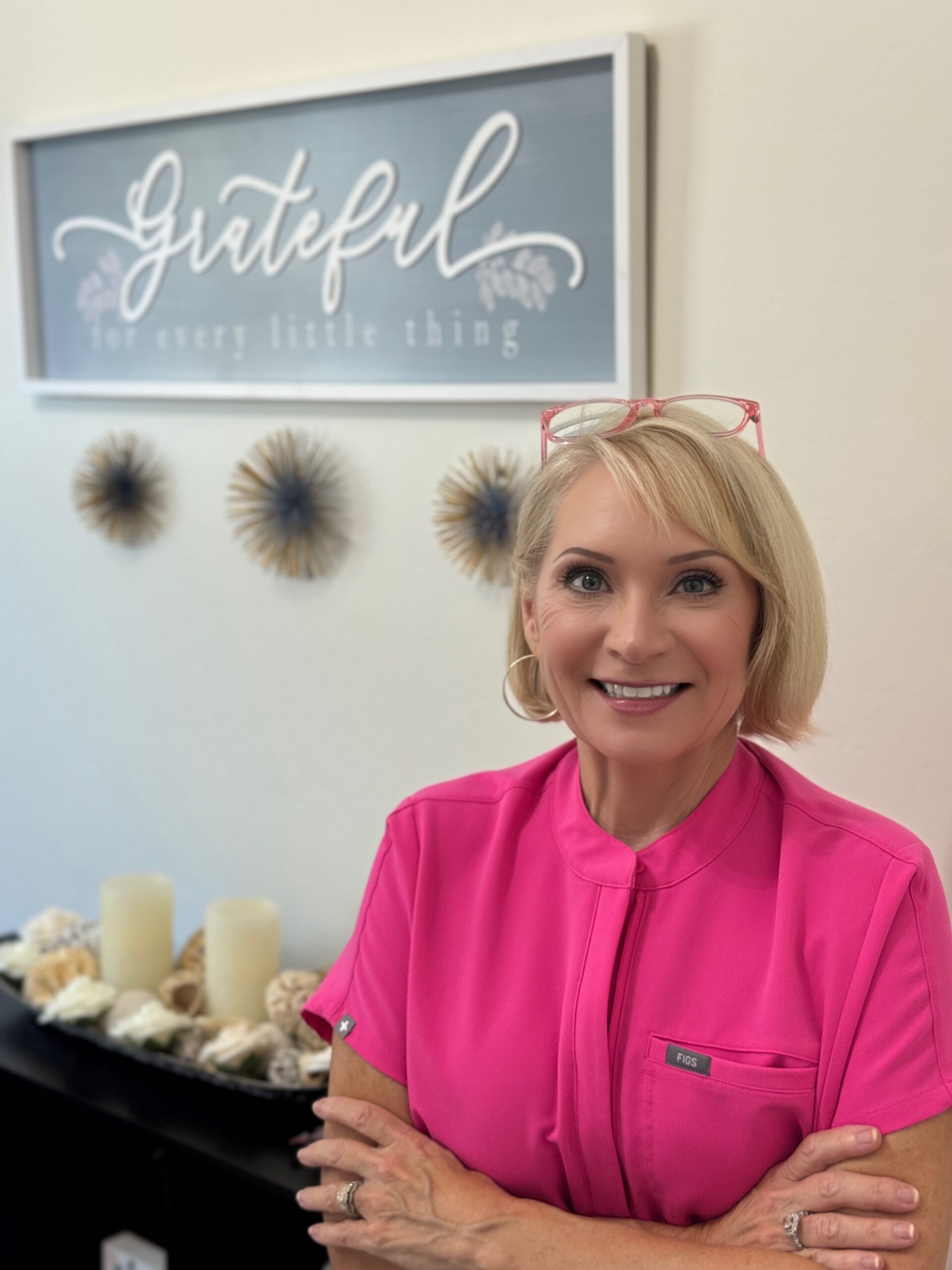
Certified Paramedical and Permanent Makeup Artist
DAWN MORROW
Meet Dawn, a compassionate artist whose own breast cancer journey inspired her life’s work. After breast reconstruction surgery, 3-D areola tattooing helped restore her confidence and sense of wholeness, leading her to help other women experience the same healing and empowerment.


Schedule a Consultation
To learn more about semi-permanent makeup and eyebrow restoration with Dawn Morrow, contact our Tucson office. If you are already a patient of the practice, you can also mention it at your next appointment, and we will coordinate scheduling for you.
Frequently Asked Questions
Can I have my eyebrows tattooed during chemotherapy?
No. Semi-permanent makeup is not performed during active chemotherapy because of the increased risk of infection, impaired healing, and unpredictable pigment retention. Dawn will help you plan the right timing once treatment is complete and your blood counts have recovered.
How long should I wait after my last chemotherapy infusion?
This depends on your regimen, your blood counts, and how quickly you recover, and it requires clearance from your oncologist. Dawn will review your specific timeline with you and coordinate with your treating physicians before scheduling.
Will it look obvious or harsh?
Not when it is done well. Modern techniques build brows from many small deposits of pigment rather than a solid outline, and color is matched to your skin tone and natural hair. Most patients find that people notice they look well rather than noticing the brows themselves.
How long do the results last?
Semi-permanent makeup generally lasts one to three years before a refresh is needed. Longevity varies with skin type, sun exposure, skincare products, the technique used, and individual metabolism. Sun exposure is the biggest factor in fading, which matters in Southern Arizona, so daily sunscreen on the brow area will meaningfully extend your results.
Is it painful?
Most patients report minimal discomfort. A topical numbing agent is used, and the sensation is typically described as light scratching or pressure. Skin that is sensitive from recent treatment may be more reactive, and Dawn will adjust accordingly.
Do I need to tell my radiology team that I have cosmetic tattooing?
Yes. Let your technologist know before any MRI. Tattoo pigments can occasionally cause a brief warming sensation during scanning, and in rare cases can create minor imaging artifact. This is not a reason to avoid the procedure, but your radiology team should know it is there.
What if I am not a patient of the practice?
Dawn also sees clients through her independent practice, Restoring Beauty, where you can review her services and portfolio.
Who should not have semi-permanent makeup?
Candidacy is assessed individually, but factors that may require delay or make the procedure inadvisable include active chemotherapy, significant immunosuppression, uncontrolled diabetes, a tendency toward keloid scarring, active skin conditions in the treatment area, pregnancy or breastfeeding, recent use of isotretinoin, and certain blood-thinning medications. Dawn will review your history thoroughly at your consultation.
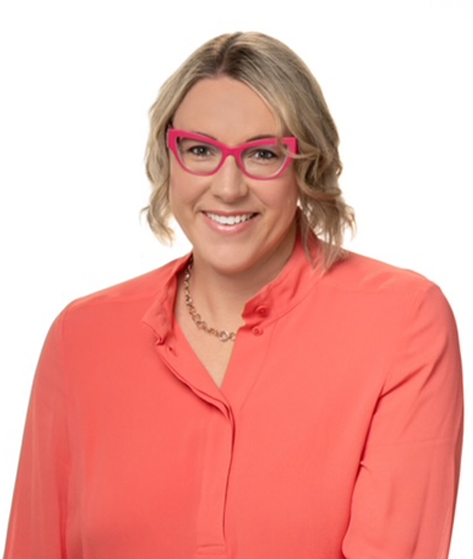
Board-Certified Surgeon
MICHELE LEY, MD, FACS
Dr. Ley, a breast surgical oncologist in Tucson since 2006, delivers compassionate and personalized care to create tailored treatment plans based on the latest research. Specializing in surgical care for breast cancer and high-risk patients, she employs minimally invasive techniques and practices oncoplastic surgery to optimize outcomes.
More About Dr. Ley


“The level of care is excellent.”



ABOUT US
More About Us
OUR BLOG
Read Our BlogCONTACT US
We are dedicated to providing the support you need. Contact us today to learn more about how we can help on your breast health journey.
We are only accepting patients with surgical breast diseases. We do not see patients for breast pain or without imaging in the last three months. If you have been diagnosed with one of the following, please submit the contact form or call our office at (520) 605-2778 to schedule your appointment.
- Breast cancer, DCIS (ductal carcinoma in situ), LCIS (lobular carcinoma in situ), invasive ductal carcinoma, invasive lobular carcinoma, and any other breast malignancies such as sarcoma, and malignant phyllodes
- Patients with known genetic mutations such as BRCA 1, 2, and others
- Fibroadenoma, phyllodes tumor, radial scar, complex sclerosing lesion, papilloma >8mm, atypical papilloma, nipple mass or ulceration,
- Granulomatous mastitis
- Atypical ductal or lobular hyperplasia ( ALH, ADH), and any benign lesion with atypia

